.svg)


What Is Cyclospora?
Cyclospora is a microscopic parasite that can cause an intestinal illness known as cyclosporiasis. Unlike other illnesses such as the flu, cyclospora isn’t transmitted from person to person but rather when infected feces contaminates fresh produce or water sources. When people consume the contaminated food or water, they can become sick with the parasite.
Cyclospora Symptoms
Cyclospora symptoms typically develop about one week after exposure, but they can appear anywhere from 2 to 14 days or longer. Symptoms can range from mild to severe.
Common symptoms of cyclospora include
- watery diarrhea with frequent bowel movements
- loss of appetite
- unexplained weight loss
- stomach cramps or abdominal pain
- bloating
- increased gas
- nausea
- fatigue
- vomiting
- body aches
- headache
- low-grade fever
- other flu-like symptoms
If left untreated, cyclospora can lead to dehydration and other complications that may require additional care.
If you suspect that you or a loved one may be infected with the cyclospora parasite, you can visit your nearest Corewell Health Urgent Care clinic for prompt medical attention.
Tips To Reduce Your Risk of a Cyclospora Infection
The good news is that there are steps you can take to reduce your risk of infection, especially during an outbreak. Since the parasite is most often spread through contaminated food or water, practicing good food safety and hygiene is key.
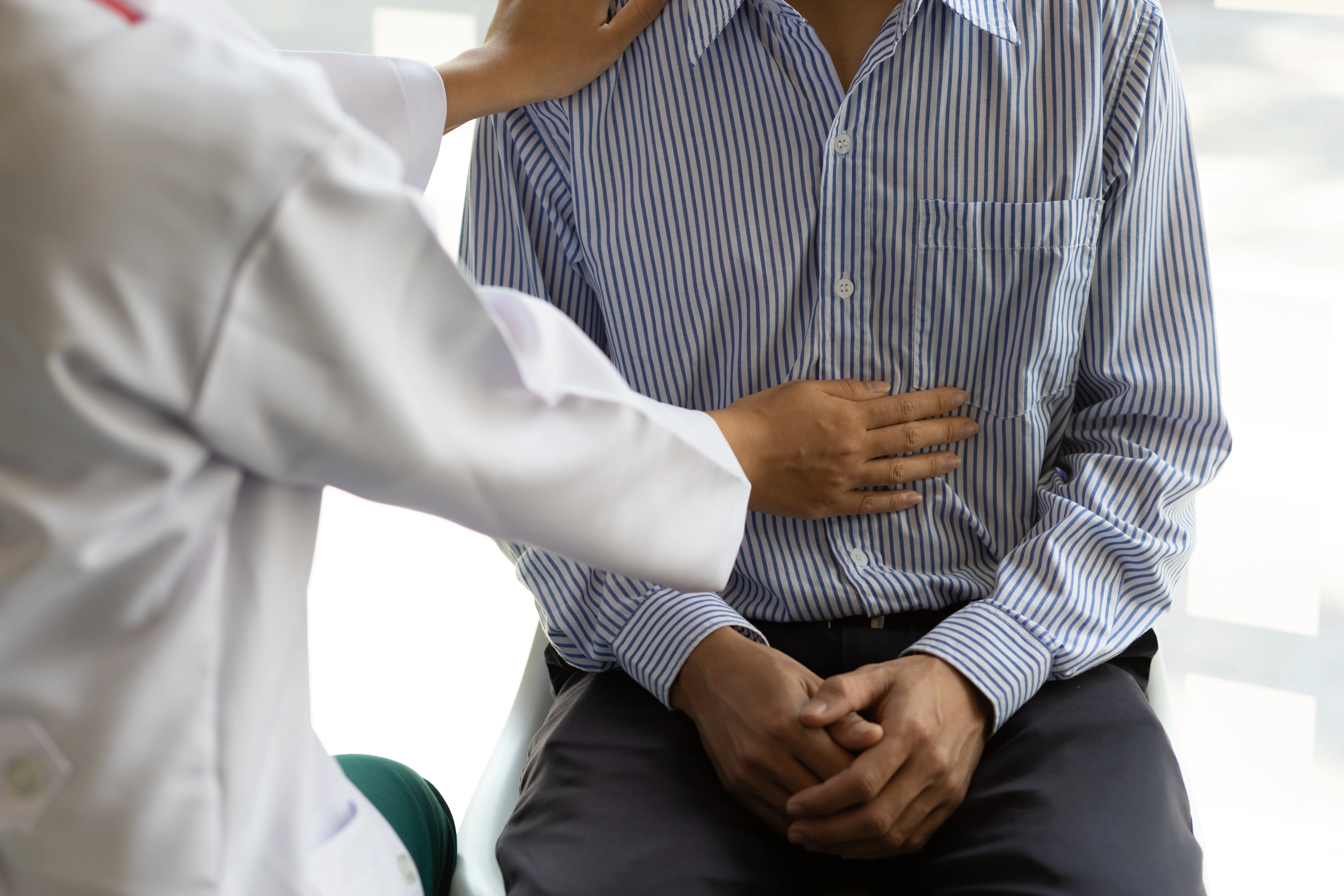
To help protect yourself and your family:
- Wash your hands thoroughly with soap and water before preparing or eating food and after using the restroom.
- Rinse fresh fruits and vegetables under running water before eating, cutting, or cooking them.
- Cook fruits and vegetables to the recommended 135°F internal cooking temperature.
- Avoid drinking untreated water from lakes, streams, or other natural sources.
- Follow food recalls and public health advisories, especially during known cyclospora outbreaks.
- Refrigerate perishable foods promptly and follow safe food handling practices to help reduce the risk of foodborne illness.
- If you're traveling to areas where food and water safety may be a concern, drink bottled or treated water and choose foods that are thoroughly cooked and served hot.
It's important to know that washing produce may reduce your risk but does not always remove cyclospora, as the parasite can be difficult to eliminate from fresh fruits and vegetables. If you've eaten a recalled food product or develop symptoms after a potential exposure, seek medical care promptly.
Our Southeast Michigan urgent clinics are open seven days a week with extended hours for those who need medical attention quickly. Walk-in visits are welcome, and we also offer a book-ahead option to avoid any waiting.